











Paris rewards those who look beyond the postcard. The Eiffel Tower is magnificent from the Champ de Mars, but it tells a different story when you’re standing beneath its iron lattice with someone who knows why it was almost demolished. That’s the quiet advantage of Paris guided tours: a city this layered becomes far more legible when a knowledgeable local connects the dots between what you see and what actually happened there.
Why Paris Guided Tours Change the Way You See the City
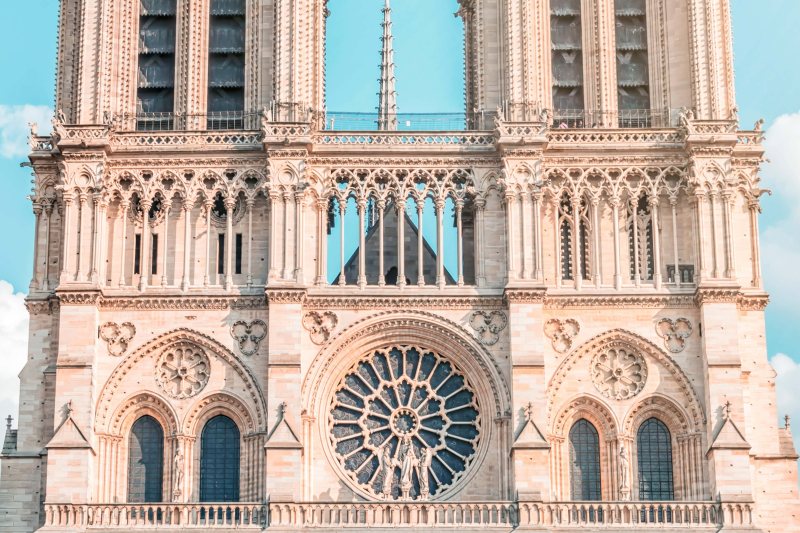
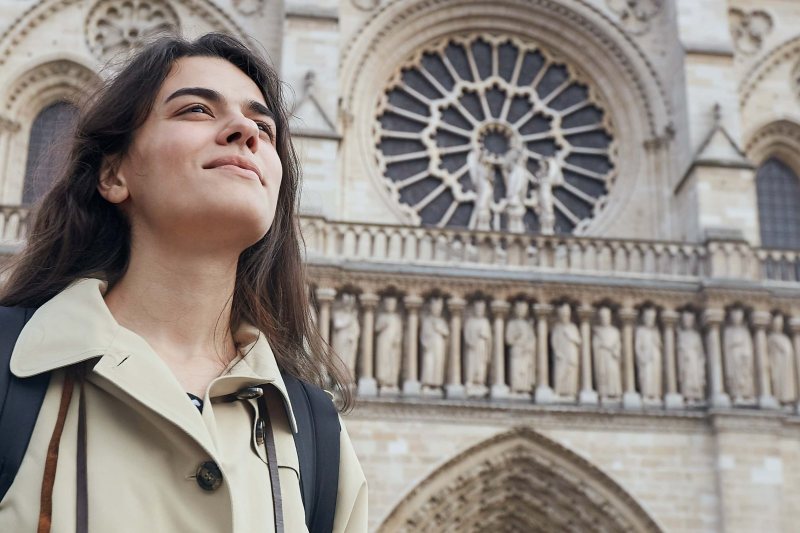
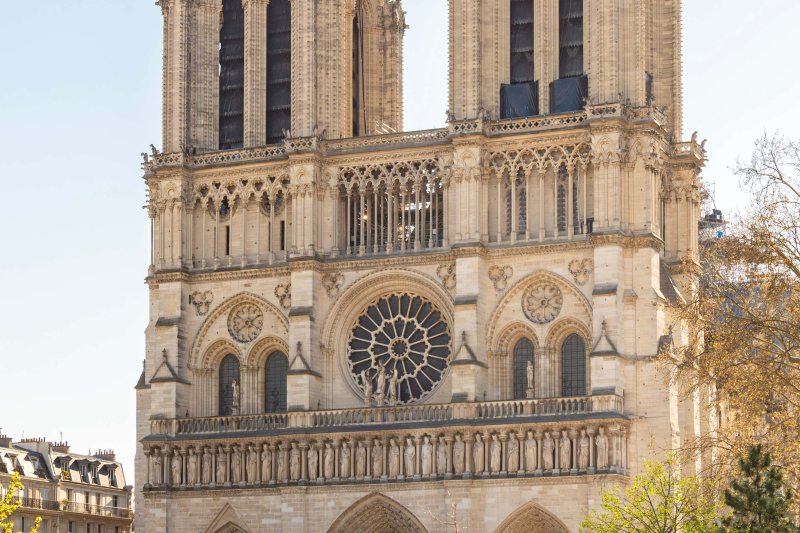
Paris is a city of surfaces and secrets. On your own, you might admire the façade of Notre-Dame and move on; with a guide, you learn how the Île de la Cité grew from a Roman settlement into the heart of medieval Christendom. The difference isn’t just information — it’s context, pacing, and the small anecdotes that make a place stick in your memory long after you’ve flown home.
Guided experiences also solve practical problems. Skip-the-line access at major museums, timed entries, and guides who know which entrance has the shortest queue can save hours. On a short trip, that matters. So does having someone else navigate the Métro labyrinth while you focus on the architecture above ground.
Choosing Between Guided Tours and Free Walking Tours
Paris has two parallel ecosystems of exploration, and they suit different travelers.
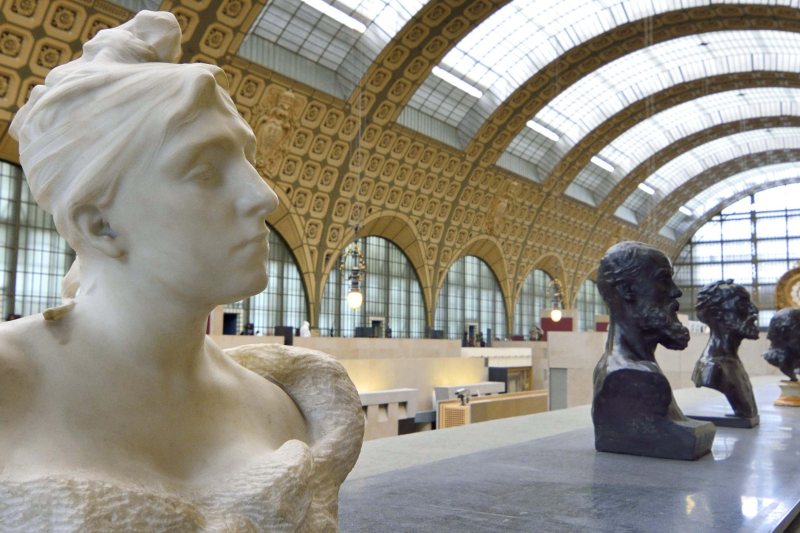
- Guided tours typically involve a fixed ticket price, a set itinerary, and often priority access to major sites. They’re ideal if you want depth on a specific subject — art history at the Louvre, Impressionism at the Musée d’Orsay, or the filming locations of a favorite series.
- Free tours operate on a pay-what-you-wish model. You reserve a spot, walk with a local guide, and tip at the end based on your experience. They’re excellent for orientation on your first day and for neighborhoods like Le Marais or Montmartre, where the pleasure lies in wandering.
Neither is inherently better. A free walking tour in the morning can orient you to the city’s geography, while a paid guided visit in the afternoon gives you concentrated expertise on a single subject. Many visitors combine both.
Signature Experiences Worth Planning Around
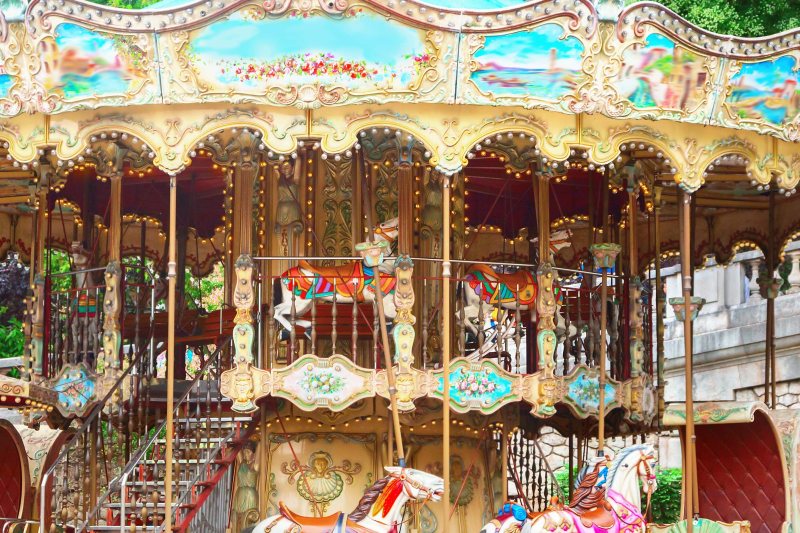
Some tours define a trip. The Eiffel Tower Climb trades the elevator queue for more than 700 stairs and three levels of increasingly spectacular views — a workout with a payoff. Families often gravitate toward the Family-Friendly Montmartre Guided Tour, which balances iconic sights with carrousel and playground stops so younger travelers stay engaged.
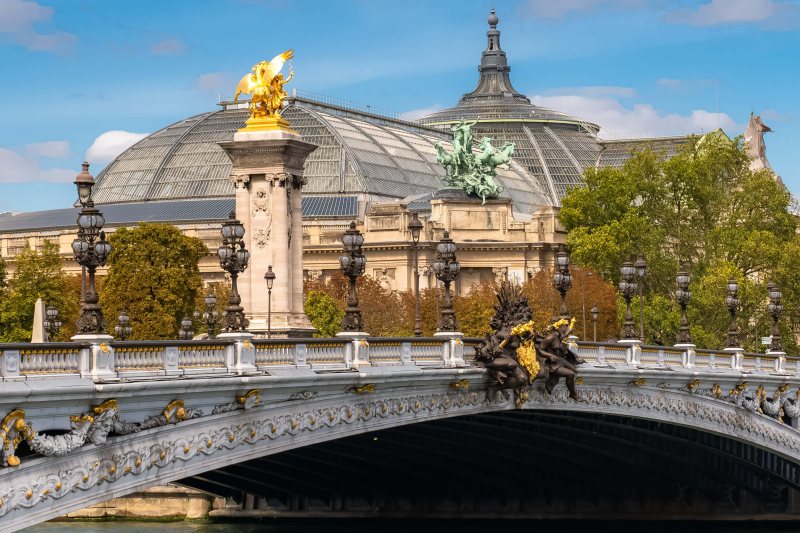
Art lovers have no shortage of options: small-group Louvre visits that focus on the Mona Lisa and Venus de Milo, expert-led walks through the Orsay’s Impressionist collection, or combined itineraries pairing the Louvre with the Eiffel Tower’s second floor. History-minded visitors can explore the Île de la Cité’s medieval lanes and the exterior of Notre-Dame, sometimes paired with a Seine cruise for a slower view of the city’s bridges and banks.
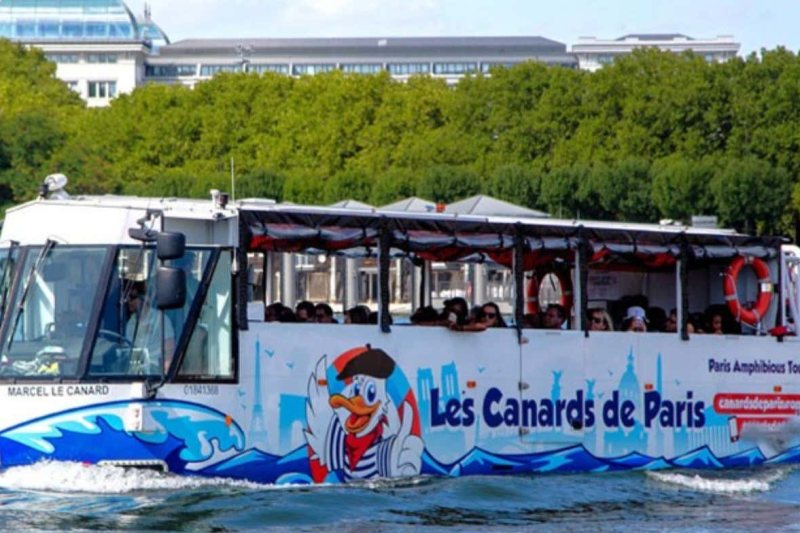
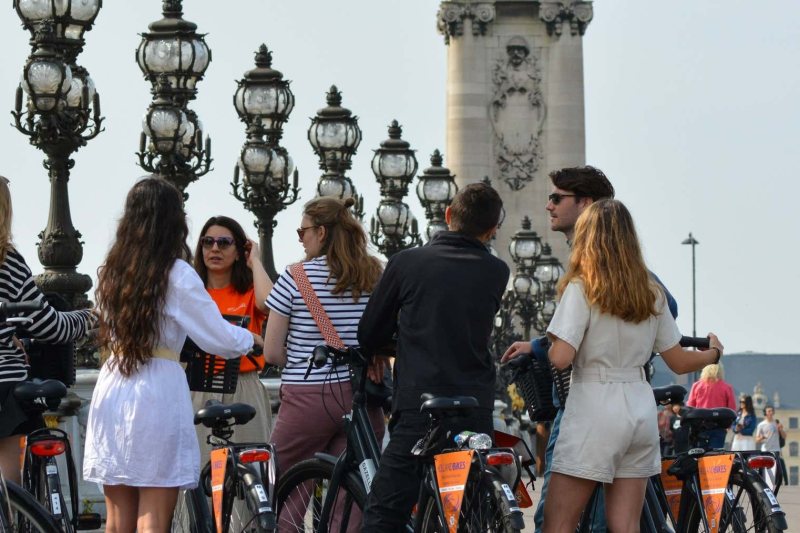
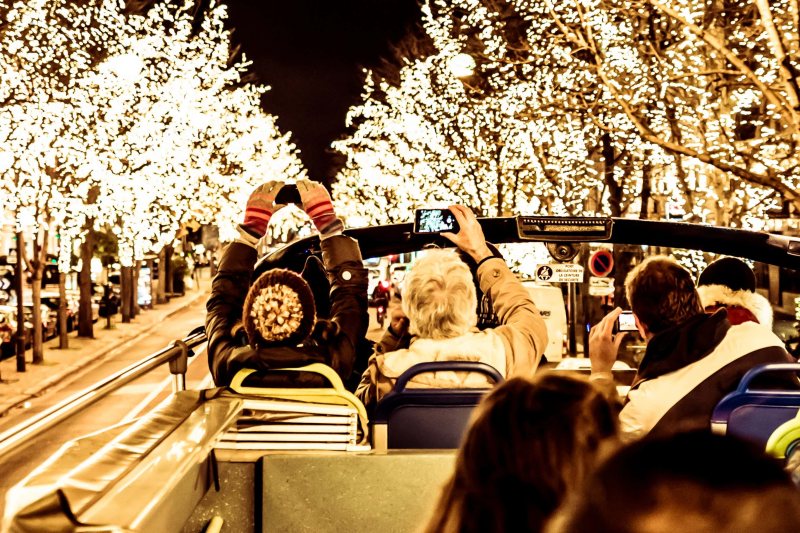
For something less conventional, consider a bike tour along the Seine, a private bike-taxi ride from Sacré-Cœur to Saint-Germain, or an amphibious boat that rolls through the streets before splashing into the water. Evening options range from open-top bus loops past illuminated monuments to a night tour capped by a Moulin Rouge show.
Practical Tips for Booking and Enjoying Your Tour
A few habits separate a smooth experience from a stressful one.
- Book popular slots early. Small-group museum tours and skip-the-line entries fill up, especially in spring and summer.
- Arrive ahead of the meeting point. Guides start on time, and Paris traffic — or a wrong Métro exit — can eat twenty minutes without warning.
- Check the language and group size. Most tours run in English, but small-group formats cost more and deliver more attention.
- Bring cash for free tours. Tips are the guide’s income; cards aren’t always practical at the end of a walk.
- Wear the right shoes. Cobblestones in Le Marais and stairs at the Eiffel Tower punish flimsy footwear.
Finally, leave room in your schedule. The best moments in Paris often happen between planned stops — a detour into a courtyard, a coffee at a corner café, a conversation with a guide who grew up in the neighborhood you’re walking through. Tours give you the framework; the city fills in the rest.
Frequently Asked Questions
What can I expect to see on a Paris guided tour?
It depends on the theme you choose. Classic city tours usually cover landmarks such as the Eiffel Tower area, the Louvre exterior, Notre-Dame and the Seine banks, while themed walks focus on neighborhoods like Montmartre, Le Marais or the Latin Quarter. Guides add context, stories and local tips that you would miss wandering alone.
Are Paris guided tours suitable for children and older travelers?
Many are, but pace and content vary. Family-oriented tours tend to be shorter and more interactive, while walking tours can cover several kilometers over uneven streets. Check the description for walking distance and accessibility notes, and let the operator know about mobility needs or young children when booking.
Do I need to book a guided tour in advance?
For popular attractions and small-group walks, booking ahead is wise, especially in peak season. Free tours often require online registration to reserve a spot, since group sizes are limited. Last-minute spaces sometimes exist, but availability is not guaranteed.
How do free tours work if there is no ticket price?
Free tours are typically tip-based: you reserve a place online and pay the guide what you feel the experience was worth at the end. Guides are usually independent, so carrying some cash is helpful. Read the booking terms to confirm the arrangement before you join.
What is the cancellation policy for guided tours?
Policies differ by operator and tour type. Many private and small-group tours allow cancellation within a set window before the start time, while some tickets are non-refundable. Always review the terms at the point of booking, and contact the operator directly if your plans change.